

Dental Crowns Lincoln
Realistic Restorations for Damaged Teeth
Whether you have a cracked or decayed tooth, a composite resin filling might not be sufficient to keep it in one piece, but you don’t want to lose the tooth entirely. Fortunately, a dental crown is a “cap” that fits over the tooth, covering the entire surface area. If you have a tooth needing a dental crown, you can trust our team at Williamsburg Dental to create a completely custom, natural-looking restoration. Reach out to one of our offices for an appointment today!
Why Choose Williamsburg Dental for Dental Crowns?
- Three Types of Dental Materials Used
- Convenient Dental Offices for All Patients
- Dental Team Will Maximize Your Benefits
What is a Dental Crown?
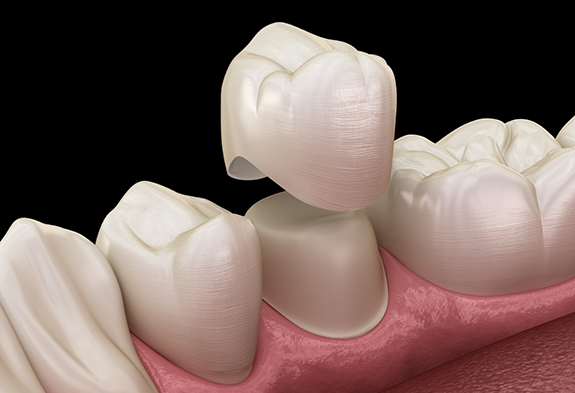
When deep decay or injury compromises a tooth's structural integrity, a crown may be placed to preserve it and protect it from further damage. This restoration may be fabricated using gold, metal alloys, ceramic, acrylic, porcelain, or a combination of these materials.
The Dental Crown Process
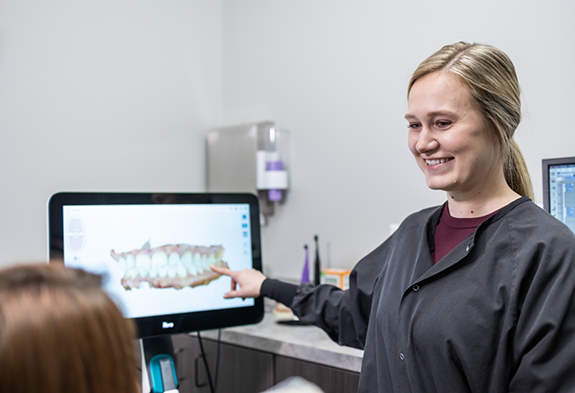
Getting a dental crown usually takes two separate appointments. During the first visit, you may undergo root canal therapy or another minor procedure where the tooth is altered to make space for the crown. After taking impressions of your upper and lower arches, we send this information to our lab. Before you exit the office, we attach a temporary crown to protect the tooth until the permanent one arrives. Then, you return to our office so that we can bond the custom crown in place.
The Benefits of Getting a Dental Crown

In many cases, a dental crown is the only treatment standing between preserving the tooth and losing it. In other words, getting a dental crown allows you to keep your natural tooth and better protect it against future infection or injury. Overall, dental crowns can do the following:
- To protect a tooth that has been fractured
- To prevent a weak tooth from chipping or fracturing in the future
- To restore a tooth that has undergone endodontic therapy (root canal treatment)
- To cosmetically enhance a tooth that is too small, misshapen, or badly discolored
- To replace a filling in a tooth that has sustained too much damage for traditional fillings
- To complete a single dental implant
Understanding the Cost of Dental Crowns

Before repairing your broken or decayed teeth, you may wonder if you can afford it. The truth is that a dental crown is a wise investment in your long-term oral health, but we understand that cost plays a role in your decision-making. After diagnosing the problem, we’ll share our proposed treatment plan and the cost involved. Remember that we are willing to work with you and remove the financial stress of rebuilding your smile.
Factors That Affect the Cost of Dental Crowns
Not all crowns are priced the same. The total will change, depending on several factors, including the materials used to make the crown, such as porcelain or metal fused to porcelain. We take advantage of many types of crowns, so the cost is relatively wide. The pricing will also be influenced by where the restoration will be placed in your mouth. Molars require more durable and robust crowns, which means these restorations tend to cost more. During your consultation, we’ll consider all these factors.
Does Dental Insurance Cover Dental Crowns?

Yes, dental insurance coverage generally applies to dental crowns. However, you should know that it will pay about half the total cost, meaning you’ll be responsible for paying the other half out-of-pocket. Our front desk team will research your policy to ensure you take advantage of all the benefits you are entitled to and save the maximum amount possible.
Options for Making Dental Crowns Affordable

In addition to being in-network with most insurance providers, we offer a few other ways to ease the financial strain of getting dental crowns. For example, we can accept payment through a flexible spending account (FSA) or a health savings account (HSA) if you have one through your employer. We can also walk you through the application for flexible financing, which allows you to pay for treatment on a monthly plan, instead of all at once.
Dental Crowns FAQs
Will My Dental Crown Look Realistic?
Dental crowns can be made of various materials, but if you are concerned about aesthetics, porcelain may be the right choice for your tooth. This substance reflects light like enamel, making it look completely natural. For the most part, porcelain is also durable; however, some teeth may require more reinforcement, meaning the porcelain may need to be fused to metal. Before treating your tooth, we can discuss the options and find the perfect solution for your case.
Does Getting a Dental Crown Hurt?
Before we prepare the tooth for a dental crown, we will give you a local anesthetic, which will keep the area numb. As a result, you shouldn’t feel any pain while we’re treating the tooth. However, some patients experience sensitivity when the anesthetic wears off, especially with a generic, temporary crown. Most of the time, this sensitivity goes away within a few days or once your custom crown is placed onto the tooth. Before you leave with your permanent crown, we’ll ensure your bite feels natural and comfortable.
How Long Will My Dental Crown Last?
Most dental crowns typically last for about a decade before requiring replacement, but they can remain in good condition for up to 20 years! By then, the crown may show signs of wear and tear and staining. The lifespan of a dental crown may vary based on several things, including your oral hygiene, food choices, whether you grind your teeth, and more. When we place your crown, we will give you instructions on how to maintain it long-term.
How Can I Make My Dental Crown Last as Long as Possible?
First, the crown will last a lot longer if you take good care of it, meaning you keep up healthy habits in your lifestyle. Daily brushing and flossing are required to prevent plaque buildup, which may not harm the crown itself, but it could infect the tooth underneath or cause gum disease. In addition, you need to come to our office at least every six months for regular checkups and cleanings. For further protection for your crown, you should carefully eat hard foods like nuts or chips and avoid chewing inanimate objects, like pencils and ice.
How Long Does It Take to Get a Dental Crown?
Receiving a crown usually requires at least two appointments. Additional visits may become necessary if the crown doesn’t fit perfectly immediately. The dental lab needs two to three weeks to fabricate the custom, realistic restoration to resemble your other teeth and blend in seamlessly. We’ll let you know when your crown arrives at our office and try to schedule your appointment as soon as possible to complete your smile.
How Can You Tell If a Dental Crown Needs to Be Replaced?
Whether you’re a new or seasoned patient at Williamsburg Dental, it can be challenging to keep track of your crown alone with your limited knowledge and diagnostic resources, so make sure you squeeze in your six-month checkups and cleanings. We’ll closely watch your crown and let you know when we think it’s time to switch it out with a new, stronger one. Here are examples of scenarios in which we would recommend replacement:
- Chipped, cracked, or broken crown
- Loose or unstable crown
- More than 15 years old
- Pain or sensitivity in the tooth
- Discoloration in your crown
What Should I Do If I Lose a Dental Crown?
Without the crown on top of it, the tooth is exposed to oral bacteria, making it especially vulnerable to reinfection. As a result, you need to address this situation as a dental emergency and reach out to us quickly. If the crown can be salvaged, we will reapply bonding material and put it back in place. If your crown needs to be replaced, we’ll order a new one for you and send you home with a temporary crown while we wait for it.
Can I Get a Tooth Extraction Instead of a Dental Crown?
If you wait long enough to treat a hurt, cracked, or otherwise weak tooth, you will likely need to have it removed. However, most of the time, we do everything we can to save the natural tooth and preserve the rest with a dental crown. In addition, if replacing a single missing tooth, a crown attached to an implant is much more efficient and healthy than using a traditional bridge.
I Need a Checkup & Cleaning I Need a Dentist for My Child I Have a Cavity or Broken Tooth I am Missing One or More Teeth I Want to Enhance My Smile I Want a Straighter Smile I am in Pain & Need Help I am Worried About Bleeding Gums I Have Pain in My Jaw I am Scared of the Dentist View Our Services