

Children’s Dentistry Lincoln
Support for Young, Growing Smiles
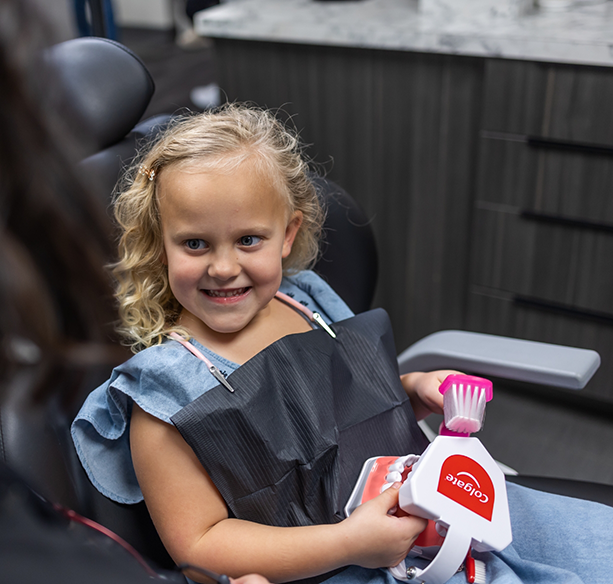
Starting early, children can develop positive oral hygiene habits that will remain with them in adulthood. With your help and ours at Williamsburg Dental, we can guide them in the right direction regarding proper brushing and flossing techniques, the importance of regular dental checkups and cleanings, and how to protect their teeth while on the field. Giving your child the chance to live with a healthy, cavity- and damage-free smile is a worthwhile investment, so call us today to schedule their next appointment.
Why Choose Williamsburg Dental for Children’s Dentistry?
- Dentists Welcome Children & Teenagers at Our Offices
- Sedation Dentistry is Available for Nervous Patients
- Age-Appropriate Dental Services Designed for Growing Smiles
Dental Checkups & Cleanings for Kids
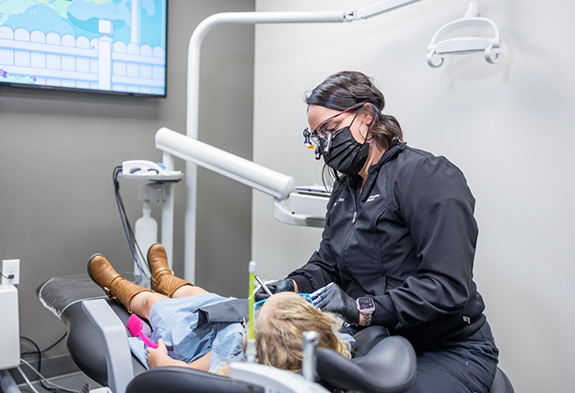
Our dentists are great with children of all ages. At our dental office, we have a progression where we like to get to know the child and make them feel comfortable in the dental office. Usually, the first exam for a young child is very quick, may include a cleaning, and is mainly used to get the child used to our dental office and the general environment. Only after the child feels relaxed will we ‘count’ the teeth and do an exam. At Williamsburg Dental, we love to see kids and pride ourselves on making them feel comfortable when they visit us for children's dentistry in our Lincoln, NE, dental office.
Sometimes, children need a little help if they require any fillings or crowns. If the child is still nervous about their appointment, we can use nitrous oxide (laughing gas) to help them remain calm while watching television cartoons.
Athletic Mouthguards/ Sportsguards
If you have athletes in the family, equip them with a customized athletic mouthguard/sportsguard to ensure greater protection and a damage-free smile. Just like helmets and other necessary gear are essential for keeping heads, shins, knees, and shoulders shielded during gameplay, a custom mouthguard can minimize the risk of damage should your child sustain a hard blow to the mouth.
Dental Sealants
Dental sealants offer a layer of protection to molars and premolars, giving these teeth a chance to thrive while your child hones their brushing techniques. Since these chewing teeth contain small pits that make it easy for bacteria to enter, dental sealants can be painted on during a regular checkup and last for nearly a decade. Its presence offers protection against potential cavities that might try to form over time.
Silver Diamine Fluoride
The health and well-being of your child’s smile can instantly improve with silver diamine fluoride (SDF). Cavities that form can be arrested immediately once SDF is applied. The silver kills all existing bacteria, while the fluoride stops decay in its tracks and strengthens existing tooth enamel. This preventive method is ideal for young children who are not ready for tooth-colored fillings or are waiting for their permanent teeth to erupt.
Lip & Tongue-Tie Treatment (Frenectomies)
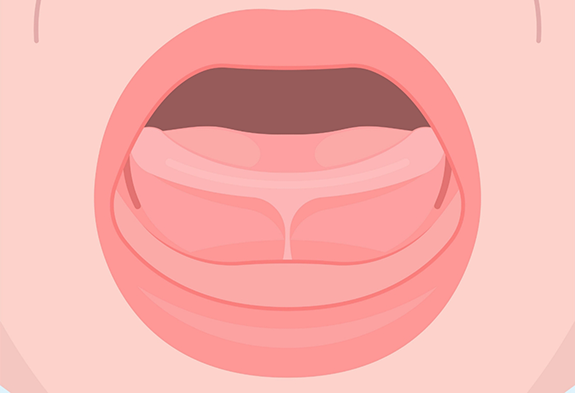
Greater oral movement is the goal when treating lip and tongue-ties. Instead of continuing to watch your child struggle with eating, breathing, and speaking, you can entrust our dentists to perform a frenectomy, which involves releasing the banded tissue underneath the tongue or behind the upper lip. This procedure improves oral function, making daily life much easier for young patients.
Non-Nutritive Habits (Thumb Sucking)
If you do not want your child to develop an overbite or gaps between their teeth, you can ask our team of dentists for help in addressing non-nutritive habits. Thumb sucking and pacifier use may be normal during infancy and even toddlerhood, but prolonged practice can lead to issues related to your child’s oral and facial development. As a result, costly and time-consuming treatments may be in their future – a problem that can be avoided if proper steps are taken now.
Pulp Therapy
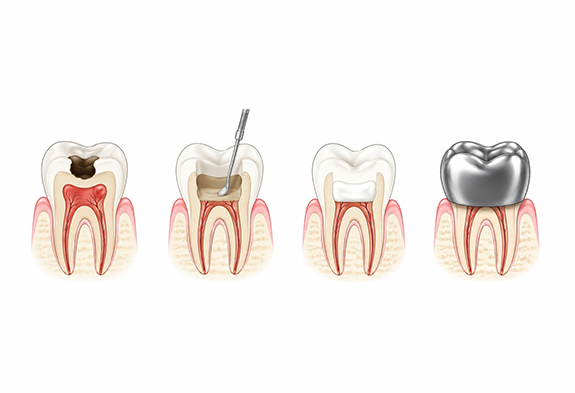
We can keep your child’s natural tooth in place for longer and help them out of pain by performing pulp therapy. This essential treatment option is recommended when damage or infection reaches the pulp of your child’s tooth – the central portion that consists of nerve pathways and blood vessels. By removing the infection, your child will no longer be in pain and can keep their natural tooth instead of undergoing extraction.
Frequently Asked Questions About Children’s Dentistry
When should I start bringing my child to see the dentist?
We recommend visiting the dentist every six months starting from about age three. However, you can bring your child in as soon as they turn one, especially if you notice something concerning. Once your child has visited our office once or twice, we may try adding dental cleanings. No matter their age, you can depend on our team to ensure they feel at ease throughout their appointment.
Is fluoride safe for my child?
Fluoride is a natural mineral that strengthens tooth enamel, which is why it is a main ingredient of most dental products. We recommend waiting to use fluoride toothpaste until your child can spit it out. But small amounts are harmless; it is even added to many public water sources! After we clean your child’s teeth, we’ll apply a highly concentrated fluoride treatment to help them stay cavity-free until their next dental appointment.
What are dental sealants?
A dental sealant is a thin coating of plastic applied to the chewing surfaces of molars and premolars. These teeth are particularly prone to decay because of their deep grooves. Dental sealants block food particles, bacteria, and acids from touching the tooth enamel and creating cavities. This kind of protection is especially beneficial for children, whose oral hygiene isn’t always as thorough as it ideally should be. At your child’s next appointment, ask about dental sealants.
What do we need to do at home to keep my child’s smile healthy?
Like adults, children must brush and floss daily to keep plaque and bacteria under control. During their appointments, we’ll take the time to teach them the proper technique for brushing and encourage them to do it on their own for two minutes twice every day. At home, please ensure your child implements these habits into their schedule to avoid most dental problems.