

Wisdom Tooth Extractions Lincoln
Protect Your Smile with This Common Rite of Passage
Removing a tooth can feel like a drastic step to take, but it sometimes is the only option available for your best oral health. Although our team at Williamsburg Dental can handle any tooth extraction, wisdom teeth often present a unique set of challenges. Read on to learn more about these teeth, how our team can make the entire process a smoother and more pleasant experience for everyone, and what we can do to preserve your smile for the long run after wisdom tooth extractions in our Lincoln, NE, dental office.
Why Choose Williamsburg Dental for Wisdom Tooth Extraction?
- Dentists Will Guide You in Pursuit of Wisdom Tooth Extraction Treatment
- Reputable & Reliable Dental Practice Serving the Community Since the 1920s
- Dental Team Offers a Listening Ear When Expressing Your Concerns
What Are Wisdom Teeth?
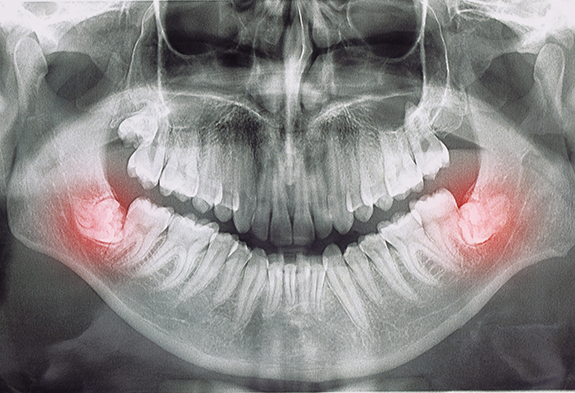
In the late teenage years through early 20s, a third set of molars, commonly called wisdom teeth, erupts at the back of the mouth. Before dental hygiene became a priority in history, our ancestors needed these teeth to replace those they had lost early on to decay or injury. However, today, people retain most or all of their teeth and often don’t require this extra set.
When Wisdom Teeth Should Be Removed
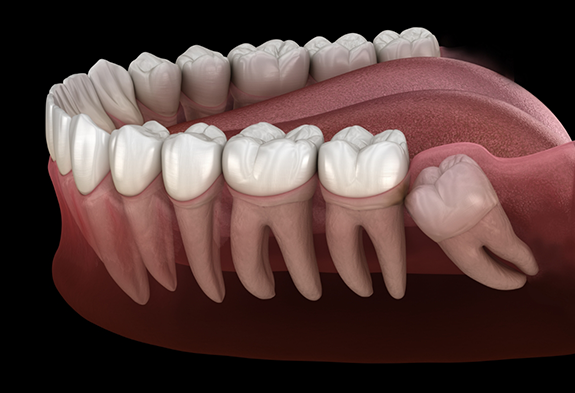
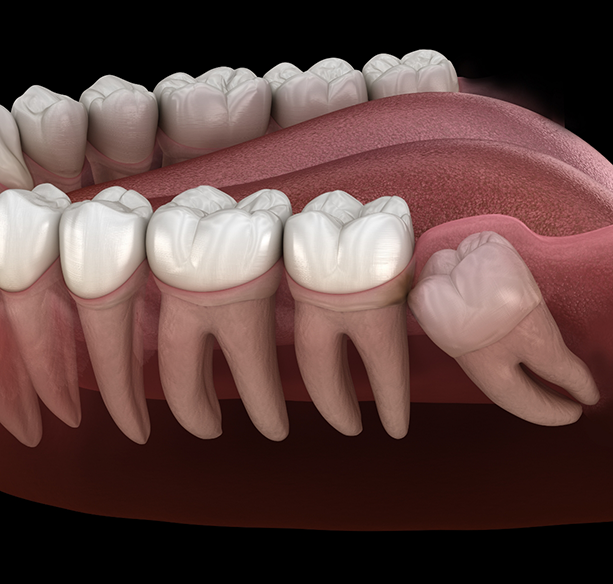
In nearly every scenario where we recommend extraction, there isn’t enough room in the mouth to fit these third molars. The wisdom teeth may be impacted or erupt at an angle, potentially leading to infections. They can also push against the other teeth, shifting them out of position and causing soreness. When you or your child enters this phase in life, we’ll closely monitor the wisdom teeth’s development and eruption early to ensure you don’t have to experience these problems.
Process for Removing Wisdom Teeth
Once we have determined that extraction is the best course of action for your smile, we will perform the procedure in-house or refer you to an outside specialist. You will receive local anesthesia to numb your mouth and avoid any pain throughout the entire procedure. Then, depending on whether the teeth erupted, each one will be removed. If still under the gums, a small incision will be made so that the tooth can be surgically extracted. For erupted teeth, the tooth will be gently moved back and forth with dental pliers until it comes free.
Understanding the Cost of Wisdom Tooth Extractions

At Williamsburg Dental, we believe in being transparent with our patients. However, because the circumstances for each person can be unique, we cannot provide accurate estimates for this procedure until we have had the chance to examine your specific set of teeth. Only then will we know what measures are required to perform this procedure safely and effectively, as well as know the appropriate pricing for treatment.
Factors That Can Impact the Cost of Wisdom Tooth Extractions
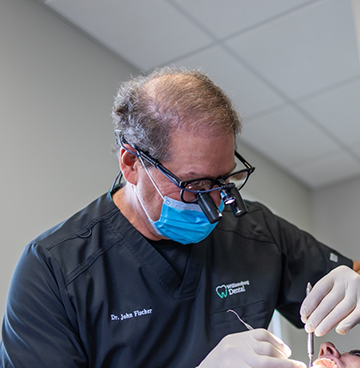
When calculating the cost of extracting wisdom teeth, we consider several things, including the number of teeth being extracted, whether or not they have erupted through the gums, and the difficulty accessing these teeth. A patient who has just one wisdom tooth removed will likely pay less than someone who has had all four extracted. For some patients, wisdom teeth are still well below the surface, which means we’ll need to approach treatment surgically. In this situation, the cost is higher because the procedure is more complicated.
Does Dental Insurance Cover Wisdom Tooth Extractions?

Fortunately, most dental insurance plans include benefits that reduce the cost of wisdom tooth extraction. However, keep in mind that it will probably not pay for the entire procedure, which means you’ll need to be prepared to fund the rest of the cost after insurance pays its portion. If you have questions about your insurance coverage, don’t hesitate to ask our front desk team. We’ll be happy to review specific numbers with you as soon as your treatment plan is created.
How to Make Wisdom Tooth Extractions Affordable
Whether you do or do not currently have dental insurance, other financial options are available to help you with the cost of your wisdom tooth extraction. As an alternative to insurance, our in-house membership plan offers a 15 percent discount on most procedures, which can help you save significantly. In addition, we can help you apply for low-interest financing for whatever cost you pay out-of-pocket. With financing, you can make payments over time, instead of all at once.
Aftercare for Wisdom Tooth Extractions

Following your wisdom teeth removal, it is imperative that you take care of yourself and follow all instructions. Failing to do so could result in complications and painful infections, like dry socket. Here are some things to do to heal properly:
- Rest for a few days from rigorous activity.
- Keep fresh gauze on the site, replacing it every few hours.
- Gently rinse your mouth with warm salt water to keep the site clean.
- Eat soft foods (i.e., mashed potatoes, yogurt, oatmeal, eggs) for a couple of days, slowly working your way back to a regular diet.
- Do not use a straw for at least 48 hours after the procedure.
- Do not smoke or use tobacco products for at least 48 hours after the procedure.
If you have questions or concerns about the healing process after extraction, don’t hesitate to reach out to our team!
Frequently Asked Questions about Wisdom Tooth Extractions
I Don’t Feel Any Discomfort. Do My Wisdom Teeth Still Need to Be Removed?
At Williamsburg Dental, we keep a close watch on wisdom teeth starting when a teenager turns 15 or 16. When they develop under the surface, we evaluate the current spacing, as well as the orientation of the wisdom teeth. We may identify potential problems before you or your teen experiences any symptoms. We may recommend removing troublesome wisdom teeth in advance, so you don’t have to endure symptoms later.
How Can I Prepare for the Wisdom Tooth Extraction?
Before the procedure, you’ll be asked about your medications, including vitamins, antibiotics, and prescriptions. It may be helpful for you to write down a list of your medications so that we can be aware of them and plan accordingly, if necessary. On the day of the procedure, be sure you follow instructions and arrive on time. If you are undergoing a wisdom tooth extraction, arrange to have a friend or family member drive you home afterward.
When Should I Call Williamsburg Dental?
Don’t be alarmed if you continue to see blood on the gauze a few hours after you get home. Also, some pain for a few days is normal following wisdom tooth extraction, but it should subside and be controlled with pain medication. However, if you experience any of the following, you should give us a call:
- Bleeding that lasts longer than 48 hours
- Persistent or worsening swelling after a few days
- Fever
- Pus in the socket
- Numbness or loss of feeling at the site
- Increasing pain even with pain medication
Is a Blood Clot on the Surgical Site a Good Thing?
Yes! That blood clot is essential to the healing process. Basically, it protects the vulnerable, sensitive nerves and bone tissue underneath from bacteria. Sucking on a straw or eating hard, chewy foods too soon may dislodge the clot, increasing your chances of infection. Once a blood clot has formed on the site, usually between 24 and 48 hours after the procedure, ensure it stays there by continuing to be gentle with your mouth for a couple of days.
Why Do Some Wisdom Teeth Grow Sideways?
It may seem odd that teeth would develop this way in the jawbone, but when you look at human history, it actually makes sense. Anciently, our ancestors had larger jaws and additional space to accommodate more teeth because they ate tougher, raw foods. As humans have evolved, our jaws have become steadily smaller, but these extra teeth have continued to form. Without enough space to erupt properly, these teeth can adopt abnormal ways of growth and put pressure on other teeth.
Am I Too Old to Get My Wisdom Teeth Removed?
Although the typical target age for dealing with wisdom teeth starts early in life (teenage years through early 20s), some people who have wisdom teeth don’t manifest issues until they get older, or didn’t have a dentist worried about them when they were younger. Even if you are over 50 years old, if your wisdom teeth suddenly cause trouble, like aggressive and persistent gum disease, abscesses, or pain from pushing against other teeth, extraction with your dentist may ease your symptoms and bring you relief. Just be aware that older patients can take longer to recover than younger patients, but we can guide you through the aftermath.
How Can You Make Sure I’m Comfortable During the Extraction Procedure?
In addition to a substantial local anesthetic that keeps you numb, the dentist may offer nitrous oxide sedation for wisdom teeth extraction. This effective gas dulls the senses, which provides even more pain relief, and creates a relaxed, light feeling. Nitrous oxide can be adjusted if you need more or less to maintain calmness. You will remain awake throughout the entire procedure, but you won’t be bothered by what’s going on around you.
How Can I Sleep More Comfortably After Wisdom Tooth Extraction?
When you’ve undergone wisdom tooth extraction in Lincoln, which is considered minor surgery, your body needs to rest to heal correctly and efficiently. In other words, you’ll need to sleep quite a bit, especially on the first day after the procedure. However, if you aren’t positioned well, you can have a harder time sleeping or worse pain. Take your pain reliever as directed or prescribed. When you lie down, make sure your head is elevated above your heart, which will keep blood flow steady and prevent pooling in your head. Consider preparing your body for sleep by holding a cold compress against your face for 20 minutes. After that point, your face should be numb and comfortable enough to fall asleep.
I Need a Checkup & Cleaning I Need a Dentist for My Child I Have a Cavity or Broken Tooth I am Missing One or More Teeth I Want to Enhance My Smile I Want a Straighter Smile I am in Pain & Need Help I am Worried About Bleeding Gums I Have Pain in My Jaw I am Scared of the Dentist View Our Services