

Root Canal Treatment Lincoln
Relieving Pain, Saving Teeth
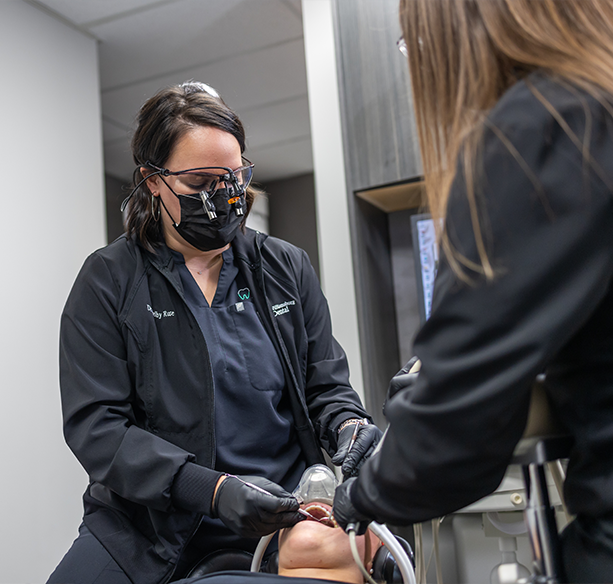
Root canals are used to repair and save teeth that are badly decayed or infected. When the nerve pulp of a tooth becomes decayed or exposed, our dentists can use the root canal procedure to remove damaged tissue and clean and seal the interior of a tooth. Once completed, the procedure should preserve and protect the natural structure from further infection and reduce the possibility of extraction. As a bonus, the root canal procedure will also eliminate the pain, discomfort, and sensitivity the infection can cause.
At Williamsburg Dental, root canals in Lincoln are quick and gentle procedures that will immediately relieve your aches and anxiety. Make an appointment with the highly qualified dentists of Williamsburg Dental today.
Why Choose Williamsburg Dental for Root Canal Treatment?
- Multiple Convenient Locations Throughout Lincoln
- In-Network with Many Dental Insurance Plans
- Call Our Hotline Anytime for Dental Emergencies
Do I Need Root Canal Treatment?
In most cases, root canals are simple treatments that involve little to no patient discomfort. Within the walls of each of your teeth, strands of dental pulp with nerves, nutrients, connective tissue, and blood vessels lace downward into the tooth’s root. It allows your teeth to sense when you bite down, but the presence or absence of a nerve will not affect day-to-day functioning. If the dental pulp becomes infected, it can die. If left untreated in the tooth, it will usually, but not always, cause quite a bit of dental pain, and the tooth will eventually need to be extracted. However, a root canal can save it.
The Root Canal Process
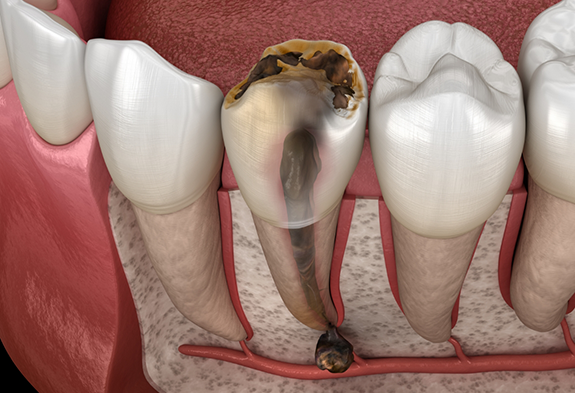
Before performing root canal treatment, we will ensure your mouth is completely numb. As an added anesthetic, we can also place a mask over your nose with nitrous oxide to help you feel calm and relaxed. Once you’re comfortable, we will remove all the infected tissue and tooth structure, including the pulp. After cleaning this inner chamber, we’ll seal it off so bacteria can’t reinfect it, and then we will place a crown over the tooth, restoring its appearance and function.
The Benefits of Getting a Root Canal

In the not-so-distant past, there was only one way to deal with an infected tooth: extraction. Fortunately, today we do everything we can to preserve teeth. In the short term, root canal treatment will alleviate your toothache and sensitivity. In the long term, it will also prevent bone loss and gum recession, caused by missing teeth, prolonging the health of your surrounding teeth and preserving your youthful facial features. In addition, a root canal today could save you thousands of dollars in tooth replacement costs tomorrow.
Understanding the Cost of Root Canals
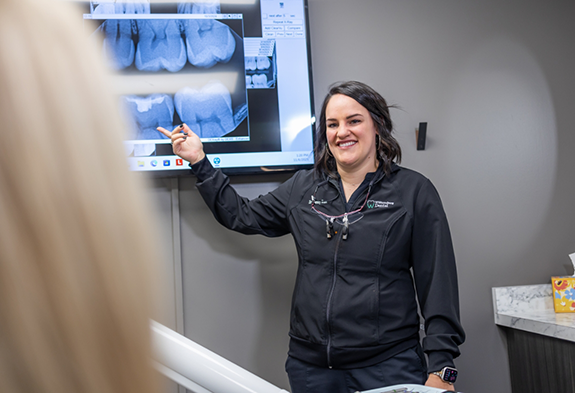
Whether you’re in physical pain or not, you may be concerned about the cost of root canal treatment in Lincoln. However, unlike some medical troubles that eventually go away on their own, tooth decay and damage do not. The longer you postpone addressing the problem, the worse it will become. What could be a minor cavity today could become a significant issue down the road. In fact, the infection could spread to the surrounding teeth, costing you even more! In other words, the sooner you treat the affected tooth, the less invasive and expensive your root canal therapy will likely be.
Factors That Can Affect Root Canal Cost
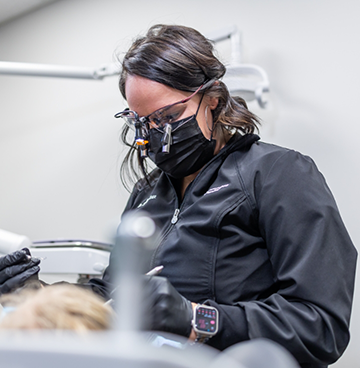
Not all root canals are the same, and the pricing may vary depending on several things, including how severe the damage is. If you have an abscess or collection of pus under the surface of the gums, that can complicate treatment as well.
Another factor that determines the cost of treatment is the restoration that is needed after a root canal. In most cases, a dental crown is used, but for minor cases, a tooth-colored filling may be appropriate, potentially saving you money.
Is it Cheaper to Pull My Tooth?

At first glance, it may seem like less trouble and expense to get rid of the troubled tooth altogether. In fact, extraction may be cheaper than root canal treatment and the dental crown to restore the tooth. However, you must consider the priceless negative consequences of tooth loss—a shrinking jawbone, loss of confidence, and impaired ability to bite and chew with that area of your mouth. When you also factor in the cost of replacing the tooth, whether through a bridge or dental implant, root canal treatment becomes the more cost-effective option.
Does Dental Insurance Cover Root Canal Treatment?
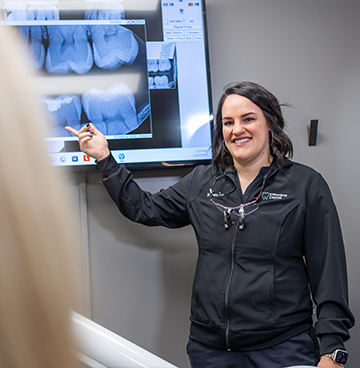
There may be some exceptions, but dental insurance generally does cover part of the cost of root canal treatment. Before we charge you out-of-pocket, we will take advantage of your insurance benefits to the fullest extent we can, but keep in mind that insurance plans usually pay for about half of the cost of major restorative work, such as dental crowns.
Other Options for Making Root Canal Treatment Affordable

At Williamsburg Dental, we want everyone to receive the treatment they need and deserve, so we try to make paying for it as painless as possible. For instance, new patients can get an exam and X-rays for only $79 (with some exclusions)!
In addition, regardless of your insurance situation, if you find that you’d prefer to pay for root canal treatment in smaller monthly installments, we can help you apply for low-interest financing through CareCredit.
Root Canal Frequently Asked Questions
Why can’t the tooth just be removed?
It is always in the best interest of the patient if the natural tooth remains in place. While there are many high-quality, effective, and natural-looking replacement solutions available, none will ever offer the same level of functionality as a regular tooth.
When our team examines the problem area and surveys the damage, we will decide whether you will benefit more from a root canal or tooth extraction. If it is believed that a root canal will enable you to enjoy life without pain and severe decay, and a customizable restoration that will protect the tooth from further damage, we will opt for this standard and effective procedure. However, if it looks as if a root canal will prove ineffective, we will then discuss extracting the tooth and how to replace it.
What is the success rate for root canals?
Root canals are some of the safest, most effective, and successful oral surgeries performed. Not only do they range in the 95% or higher category, but they also help eliminate decay and discomfort, and allow you to keep your natural tooth. With a root canal, you can expect great results that can last a lifetime with proper oral hygiene and care.
Are there risks of having a root canal?
Much like any other form of oral surgery, there are risks involved. The good news is that they are extremely rare. These can include:
- Reinfection
- Inadequate cleaning of canals
- Breaking of the seal over time
- A dental crown that does not effectively keep bacteria and infection out
- A crack in the tooth’s root
Should any of these happen to you, it is possible to have an apicoectomy performed, which will include thoroughly cleaning your tooth’s root to minimize any inflammation and eliminate the infection.
What can I expect after a root canal?
After having a root canal, you can expect that your tooth and the surrounding area will be sensitive. In the initial days after your procedure, you may wish to take an over-the-counter pain reliever to reduce inflammation and minimize discomfort. It is best to avoid chewing on that side of your mouth until you receive a permanent filling and/or dental crown to prevent any food particles or bacteria from entering the area.
Your dentist will provide detailed instructions to help you navigate the recovery process at home and ensure it is a success.
I Need a Checkup & Cleaning I Need a Dentist for My Child I Have a Cavity or Broken Tooth I am Missing One or More Teeth I Want to Enhance My Smile I Want a Straighter Smile I am in Pain & Need Help I am Worried About Bleeding Gums I Have Pain in My Jaw I am Scared of the Dentist View Our Services