

Tooth Extractions Lincoln
Removing a Tooth for the Good of Your Smile
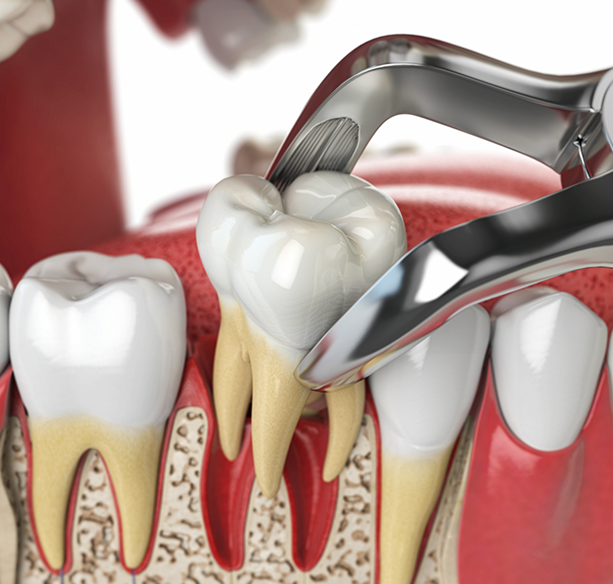
Overall, our team at Williamsburg Dental prefers to save teeth rather than extract them. However, there are situations when we have no other viable choice for treatment. In these cases, leaving the tooth in place could endanger the other teeth or jawbone, putting your smile at increased risk. In these circumstances, it may be in your best interest to have the tooth extracted. But don’t worry! Our team is happy to take the stress out of your procedure and provide whatever support you need to have a healthy, complete smile. Get in touch with our team to learn more about tooth extractions in our Lincoln, NE, dental office!
Why Choose Williamsburg Dental for Tooth Extractions?
- Our Dentists Are Available for Emergency Dental Appointments
- Sedation Dentistry to Create a More Comfortable Patient Experience
- We Will Review Your Dental Plan & Maximize Your Available Benefits
Reasons for Tooth Extraction

If we recommend tooth extraction, it will likely be for one of the following reasons:
- You have advanced periodontitis (gum disease), and the jawbone has been compromised.
- Your tooth has severe decay or damage from an injury, which cannot be salvaged with a dental crown.
- You need to undergo orthodontic care, but your teeth are overcrowded.
- Your wisdom teeth are impacted, erupting at an unsafe angle, or causing an infection.
- A baby tooth has not come out naturally and is impeding the permanent tooth’s eruption.
Types of Tooth Extraction
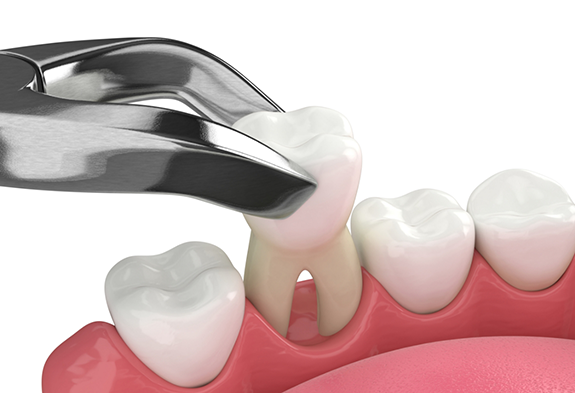
In general, there are two kinds of extractions: simple and surgical. Some teeth, especially those in the front of the mouth, are easily accessible and require very little effort to remove. Others have more complex roots or have not yet erupted and therefore require more advanced techniques for removal. Regardless of which type of extraction you need, you can count on our team to ensure you’re relaxed and well cared for.
The Tooth Extraction Procedure
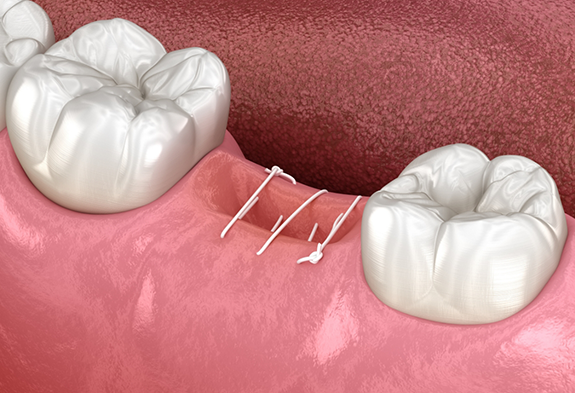
In all tooth extractions, we ensure the patient is comfortable by administering a local anesthetic and possibly some nitrous oxide sedation. Then, depending on the method required, we’ll either rock the tooth back and forth until it lifts out of the socket, dissect it into smaller pieces, or surgically remove it from underneath the surface of the gums.
What Happens If You Don’t Replace Missing Teeth

Some patients wonder if they can go without replacing missing teeth. Sometimes, such as in the case of orthodontic treatment, perhaps a new tooth isn’t necessary. However, by and large, you will need to have a replacement for a tooth you’ve lost. At minimum, the gap in your teeth will present a noticeable change in your smile’s appearance. Still, this space can also allow your teeth to shift, changing your bite and increasing your likelihood of additional tooth loss in the future. Replacing these missing teeth will help your existing ones stay in their optimal positions.
Understanding the Cost of Tooth Extractions

Chances are that if you have a tooth that must be extracted, you’ve exhausted all the other treatment options. In some cases, it’s simply better for your smile as a whole and for your wallet to remove the tooth entirely. However, during your initial appointment, we will review your treatment options and associated costs, so you have all the information needed to make the best decision possible for your smile.
Factors That Can Affect Tooth Extraction Cost

When calculating the cost of tooth extractions, we consider several factors, but the method we need to use is particularly relevant. If the tooth has already erupted, and we merely need to dislodge it, the price will be lower than for a tooth that must be surgically removed. Any extra sedation will also add to the amount you’ll owe, and remember that the cost of replacement is not factored into the cost of extraction.
Does Dental Insurance Cover Tooth Extractions?

We have some good news for you if you are currently paying for dental insurance benefits! Many policies cover, at least in part, the cost of tooth extractions. This means you will likely be responsible for paying just a portion of the total price. In addition, most replacements are also included in coverage, so you can save on the restoration as well. When we meet with you to discuss your extraction, we can also talk about the financial details of your specific case and give you a more concrete idea of the overall cost of treatment.
How to Make Tooth Extractions Affordable

Right now, at any Williamsburg Dental location, we have a special offer for a limited emergency exam and X-rays for only $79. To take advantage of this deal, mention it to the front desk staff. Whether you have dental insurance or not, perhaps you may not wish to pay the entire amount you owe up front, in which case you may want to apply for flexible financing through CareCredit. Instead of paying the full cost immediately, you can make lower monthly payments that may put less strain on your budget.
Tooth Extraction Frequently Asked Questions
Are there risks involved with tooth extraction?
Tooth extractions are standard procedures often resulting in a successful and swift recovery. However, it is a surgical procedure, which means it does come with some risks, including:
- Infection
- Temporary pain
- Potential for a dry socket for form
It’s important that you follow any pre- and post-procedure instructions we provide, as this will help to minimize the likelihood of any problems occurring during the process of removing a particular tooth. If pain medication or antibiotics are prescribed, make sure to take them as instructed.
What can I expect during recovery?
Although each patient is different, you can expect the recovery process to take about a week. Another factor in how long the healing process can take is the type of removal you have performed. For simple extractions, there is minimal recovery. You may only need 1-2 days for the blood clot to heal the surgical site; however, for complex extractions, the entire process can take up to a week. Your dentist will provide you with detailed instructions regarding how to successfully recover at home. These will typically include what foods to eat/avoid, antibiotics/medications to take, the level of activity that can be performed, and more.
Will dental insurance pay for my tooth extraction?
There is a good chance that your dental insurance company will pay a portion or all of your tooth extraction. This is often dependent upon whether you’ve met your deductible. For those who have, you can expect to pay much less (usually around 30-50% less). You’ll be pleased to know, however, that if your out-of-pocket expenses remain too high, our team can help identify alternative ways for you to pay the remaining balance without overstepping your budget.
Is it necessary to replace a tooth after it has been extracted?
This is dependent upon the type of tooth you’re having extracted. If you need to have your wisdom teeth removed, there is no need to replace these teeth, as they are no longer necessary and offer no benefit to your smile. If having a molar, incisors, or another type of tooth removed, you will need to discuss replacement options with a member of our team.
We are pleased to provide a variety of tooth replacement solutions. From a fixed bridge to dental implants to full and partial dentures, we can make sure your smile looks and feels good as new.
I Need a Checkup & Cleaning I Need a Dentist for My Child I Have a Cavity or Broken Tooth I am Missing One or More Teeth I Want to Enhance My Smile I Want a Straighter Smile I am in Pain & Need Help I am Worried About Bleeding Gums I Have Pain in My Jaw I am Scared of the Dentist View Our Services